
Introduction
We’ve all been there: checking out of a hotel and slipping a mini shampoo bottle into our suitcase. Maybe even the vanity kit or the pen. Some guests go a little further—taking towels, robes, or even decorative items. But where’s the line between a complimentary souvenir and outright theft?
Hotels know that guests often take certain items home, and surprisingly, many of them expect it. In fact, some items are meant to be taken—considered part of the overall guest experience. Others? Not so much.
In this article, we explore the most commonly “souvenired” items from hotel rooms, what hotels don’t mind losing, and where the boundaries really lie. Whether you’re a curious traveler or a hotel manager trying to minimize losses, this guide offers a peek behind the scenes of hotel hospitality.
The Items Guests Most Commonly Take (and Are Meant To)
1. Toiletries: Yours to Keep
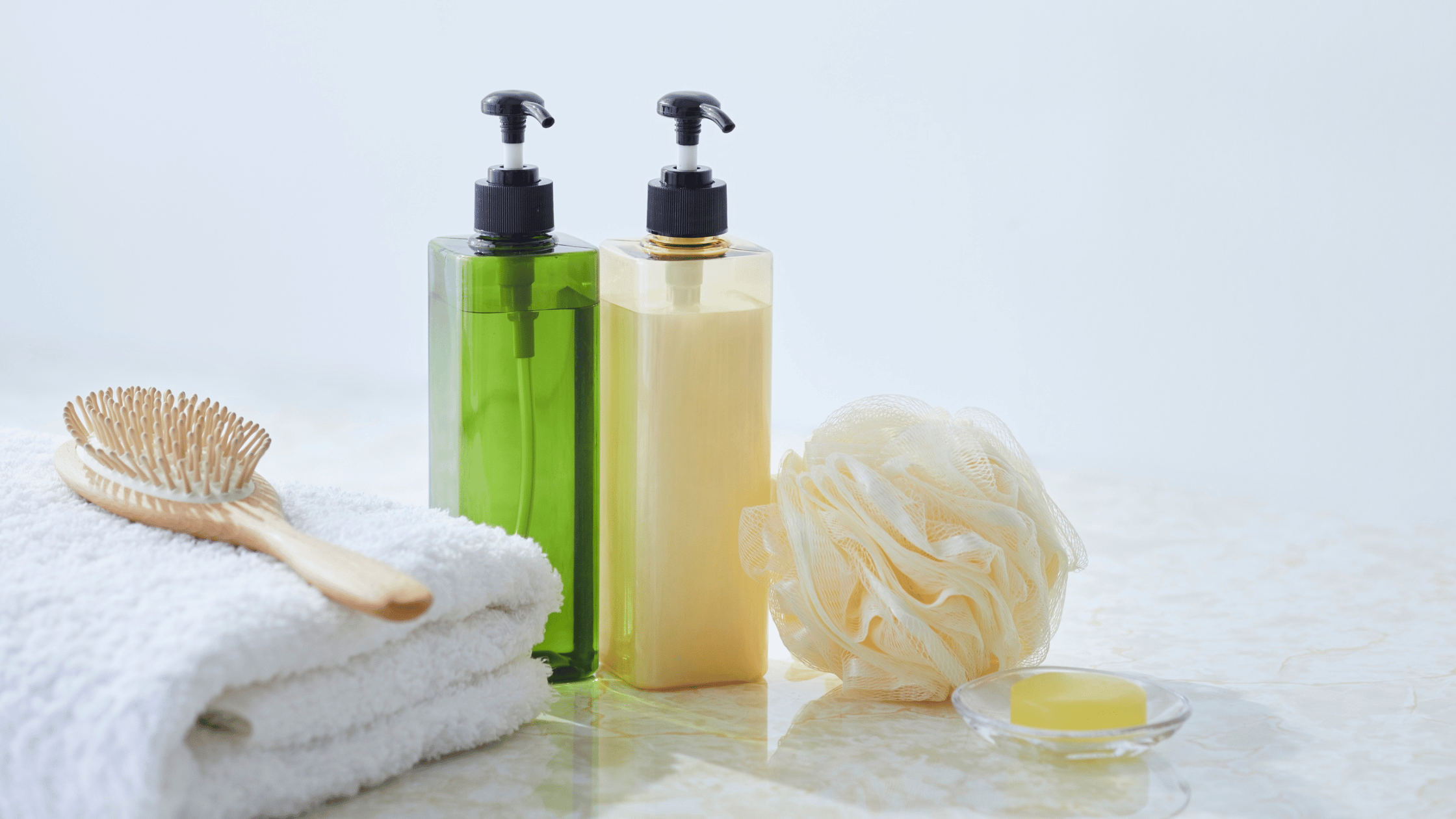
Small bottles of shampoo, conditioner, body wash, and lotion are among the most frequently taken items—and for good reason. These are generally:
- Single-use or travel-sized
- Branded with the hotel’s logo
- Restocked for each new guest
Hotels expect guests to use or take these toiletries. In fact, some brands use them as subtle marketing tools, hoping guests will remember the brand at home or even reorder from the company directly.
Pro tip: If you love the scent, check if the hotel sells full-size versions in the lobby or online.
2. Stationery and Pens: Take It Away
The hotel notepad and pen often end up in purses or laptop bags. And guess what? That’s perfectly okay. Hotels see these branded items as mini advertisements—useful, low-cost souvenirs that keep their name in guests’ hands long after checkout.
Some hotels even intentionally leave pens in meeting rooms and guest services areas to encourage this subtle form of brand promotion.
The Gray Zone: Items Guests Often Take (But Should Think Twice About)
1. Slippers: Usually Fine, But Ask
Those comfy, disposable slippers? Most hotels expect you to take them, especially if they’re sealed in plastic. They’re intended for single-use and can’t be reused between guests for hygiene reasons.
However, if you’re in a luxury suite with premium, reusable slippers or spa sandals, it’s worth asking the front desk if they’re complimentary before tossing them into your suitcase.
2. Mugs, Glassware, and Decorative Items: Please Don’t
Some guests are tempted to take ceramic mugs, branded glasses, or even decorative trays. While these items may have the hotel logo and feel like souvenirs, they’re meant to stay in the room.
Replacing these items adds up quickly for the hotel, and taking them can be seen as theft. If you truly love a piece, check the gift shop or ask the hotel manager if it’s available for purchase.
3. Bathrobes: Not Complimentary (Unless Stated)
This is one of the most frequently “borrowed” items that shouldn’t be taken. Hotel bathrobes are often plush, embroidered, and tempting—but they’re expensive for the hotel to replace.
Some hotels will charge your card after checkout if a robe is missing. Others might leave a note saying: “Love our robe? Take it home for 1,500 THB!” In that case, you’re welcome to buy it—but not sneak it away.
Items You Should Never Take From Hotel Rooms
1. Towels and Linens
Towels are among the most frequently stolen items from hotels—and they’re also the most frowned upon. Hotels invest in high-quality linens to provide a luxurious experience for each guest, and constant replacements cost them dearly.
Some hotels now tag their towels with RFID chips to track theft. Don’t be surprised if you’re charged post-checkout for missing towels.
2. Electronics and Appliances
This should go without saying, but items like:
- Hairdryers
- Alarm clocks
- Bluetooth speakers
- Ironing boards
…are not complimentary. Removing these can result in immediate charges, or in serious cases, legal consequences. Not only are they expensive to replace, but they also disrupt the next guest’s experience.
3. Pillows, Duvets, and Mattress Toppers
Yes, some guests try to take these too. While they may be incredibly comfy, these items are costly, heavy, and not yours to take. They’re part of the hotel’s fixed assets—and you’ll likely be charged if they’re missing.
Why Some Items Are “Okay” to Take—and Others Aren’t
Marketing and Budget Allocation
Hotels factor the cost of certain items into their operating budgets. Things like toiletries, pens, and slippers fall into the “consumables” category and are expected to be replaced frequently.
On the other hand, items like bathrobes, towels, and electronics are “capital goods.” Their cost is amortized over many guests—and taking them isn’t just inconsiderate, it’s financially damaging to the hotel’s operation.
Guest Satisfaction vs. Loss Prevention
Hotels walk a fine line between offering a generous guest experience and controlling theft. High-end hotels may allow for more generous take-home policies to create loyalty, while budget hotels might be more strict due to thinner profit margins.
Some now include small signs like:
“We’re glad you love our robe! Feel free to purchase one from the front desk.”
This approach shifts the guest’s perception from stealing to shopping.
The Rise of “Take-Home” Hotel Merchandise
Many hotels now embrace the idea that guests want a piece of their experience to take home—and they’re monetizing it.
Luxury brands like The Ritz-Carlton, W Hotels, and Aman have created entire online stores where guests can purchase:
- Bedding sets
- Candles
- Room fragrances
- Bathrobes
- Towels
These shops capitalize on the emotional connection guests form during their stay. Rather than sneaking out a pillowcase, you can buy the exact one used in your room—brand new and guilt-free.
Hotel Manager Perspectives: What They Wish Guests Knew
We spoke with a few hotel managers and housekeeping staff, and here’s what they shared:
- “We’re fine with guests taking the soap, shampoo, and slippers. That’s why we provide them.”
- “Please don’t take towels—it sounds small, but replacing them constantly adds up fast.”
- “We once had someone try to take the hairdryer and the wall mount. They were caught at checkout.”
- “If you love something, just ask. We might even give you a discount.”
The takeaway? Don’t assume—communicate.
Conclusion
At the end of the day, most hotels want you to enjoy your stay—and that includes taking a few small comforts with you. Toiletries, pens, and slippers are generally fair game. But once you start packing up bathrobes, towels, or decorative items, you’re crossing a line that could cost you more than you expect.